
Five Best Foods to Help Control Hyperlipidemia
Hyperlipidemia is a condition in which there are high levels of fats (lipids), including cholesterol and triglycerides, in the blood. If left untreated, it can increase the risk of heart disease, stroke, and peripheral artery disease. Along with regular exercise, maintaining a healthy weight, and taking prescribed medications when needed, eating the right foods plays a major role in managing cholesterol levels.
Here are five of the best foods that can help control hyperlipidemia.
1. Oats and Whole Grains
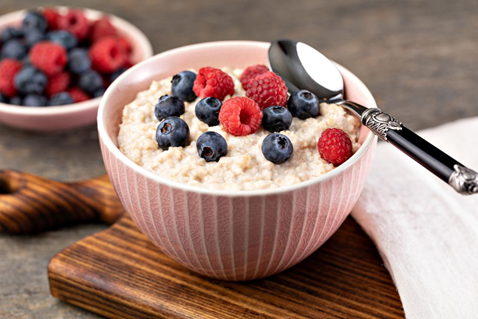
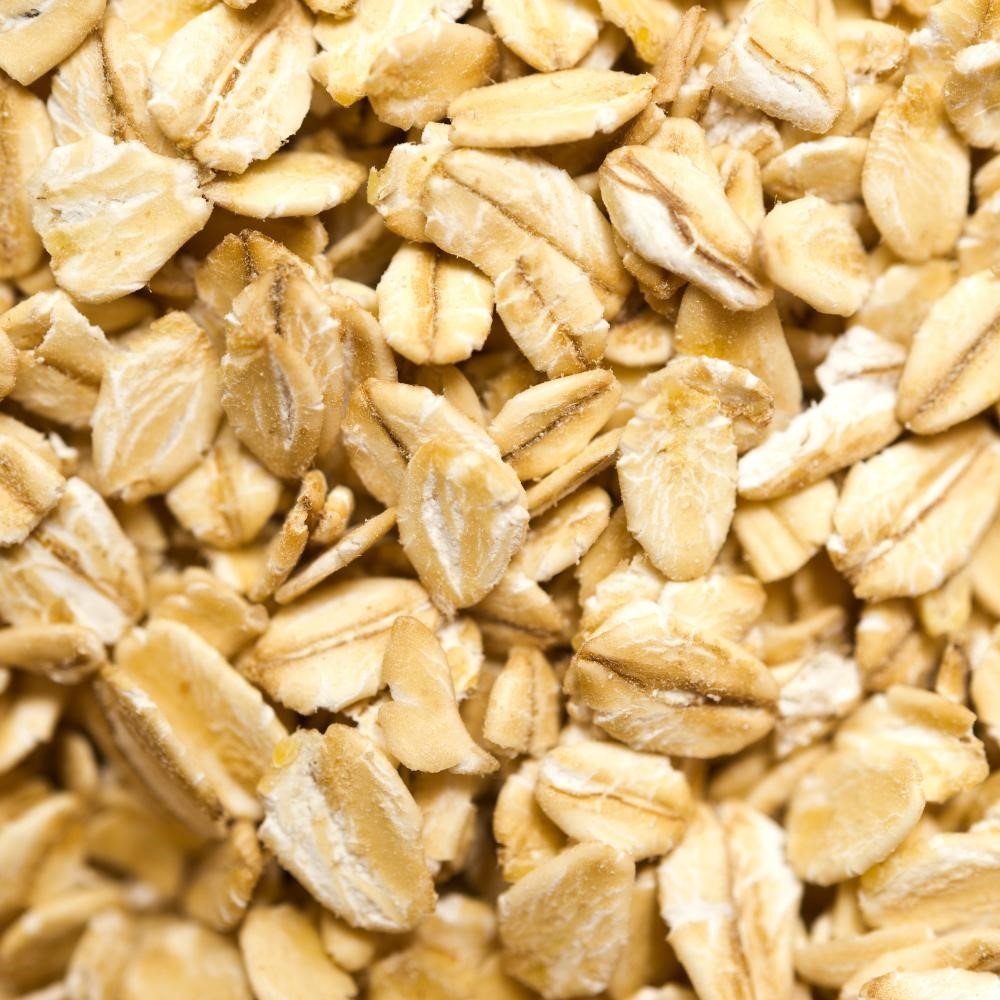
Oats are one of the best foods for lowering LDL (“bad”) cholesterol because they are rich in soluble fiber, particularly beta-glucan. Soluble fiber binds cholesterol in the digestive tract and helps remove it from the body.
Benefits:
- Lowers LDL cholesterol
- Promotes heart health
- Helps control blood sugar
- Keeps you full for longer
How to include it:
- Oatmeal for breakfast
- Overnight oats
- Whole-grain cereals
- Barley and whole wheat products
2. Fatty Fish
Fatty fish are excellent sources of omega-3 fatty acids, which help reduce triglyceride levels and improve heart health.
Best choices:
- Salmon
- Mackerel
- Sardines
- Tuna
- Trout
Benefits:
- Lowers triglycerides
- Reduces inflammation
- Supports heart health
- May slightly increase HDL (“good”) cholesterol
Recommendation: Eat fatty fish at least two times per week.
3. Nuts
Nuts cotain healthy unsaturated fats, fiber, plant sterols, and antioxidants that help improve cholesterol levels.
Best nuts:
- Almonds
- Walnuts
- Pistachios
- Pecans
Benefits:
- Reduces LDL cholesterol
- Improves HDL cholesterol
- Supports healthy blood vessels
- Rich in vitamin E and magnesium
Serving size: About a handful (28–30 g) daily.
4. Beans and Lentils
Beans and lentils are rich in soluble fiber and plant-based protein while being naturally low in saturated fat.
Examples:
- Kidney beans
- Black beans
- Chickpeas
- Lentils
- Pinto beans
Benefits:
- Lowers LDL cholesterol
- Helps reduce triglycerides
- Improves digestion
- Keeps you satisfied longer
Tip: Replace red meat with beans or lentils several times a week.
5. Fruits Rich in Soluble Fiber
Many fruits contain pectin, a type of soluble fiber that helps reduce cholesterol absorption.
Best fruits:
- Apples
- Pears
- Oranges
- Berries
- Grapefruit (avoid if it interacts with your medications—check with your doctor or pharmacist)
Benefits:
- Lowers LDL cholesterol
- Rich in antioxidants
- Supports heart health
- Provides vitamins and minerals
Aim for: 2–4 servings of fruit each day.
Additional Tips for Managing Hyperlipidemia
- Eat more vegetables every day.
- Choose healthy oils like olive or canola oil.
- Limit saturated fats found in fatty meats, butter, and full-fat dairy products.
- Avoid trans fats found in many processed and fried foods.
- Reduce sugary drinks and sweets, especially if triglycerides are high.
- Exercise for at least 150 minutes per week.
- Maintain a healthy body weight.
- Quit smoking and limit alcohol intake.
Conclusion
A heart-healthy diet can significantly improve cholesterol levels and reduce the risk of cardiovascular disease. The five best foods for controlling hyperlipidemia are:
- Oats and whole grains
- Fatty fish rich in omega-3 fatty acids
- Nuts (especially almonds and walnuts)
- Beans and lentils
- Fruits high in soluble fiber (such as apples, pears, oranges, and berries)
For the best results, combine these foods with regular physical activity, a healthy lifestyle, and any medications prescribed by your healthcare provider. Consistency over time has the greatest impact on improving cholesterol and protecting your heart.